Our Group is working to build a sustainable supply chain so that we can ensure a stable supply of safe, reliable products. In light of climate change and an evolving social landscape, we are taking steps to maintain our supply capabilities.
Business Partner Sustainable Action Guidelines
To ensure that human rights and the environment are respected throughout our supply chain, we have established the Warabeya Nichiyo Group Business Partner Sustainable Action Guidelines.
These guidelines stipulate fundamental provisions on respect for human rights, global environmental protection, compliance with laws and regulations, and fair trade, and we require our business partners and suppliers to understand and comply with them.
If a serious breach of the guidelines is identified, we may request corrective action or reconsider the business relationship.
Stable Procurement Initiatives
To address the raw material procurement risks that accompany changes in the social environment, we work to secure a stable supply of raw materials by diversifying our sources and working closely with producers.
Our Group uses approximately 40,000 tons of rice a year in onigiri rice balls, bento boxed meals, and other core products. To keep this supply stable, rice is procured under multi-year fixed contracts through the Nihon Delica Foods Association (NDF). These arrangements help us keep production planning stable and secure a continuous supply of raw materials.
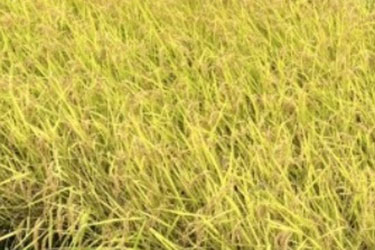
In line with international standards for safety and environmental responsibility, we are expanding our use of certified raw materials and obtaining relevant certification. For agricultural products, we are increasing our use of ingredients certified under GAP (Good Agricultural Practices). For seafood, we have obtained MSC CoC certification at plants that require it, and we are increasing our procurement of certified seafood.
Stable Supply and Efficiency in Logistics
We work to keep product supply stable by maintaining our logistics capabilities and making them more efficient.
In light of the shortage of logistics workers, we are working to improve working conditions for drivers and ensure their safety. Measures such as health management and safe-driving training help us maintain a stable delivery network.
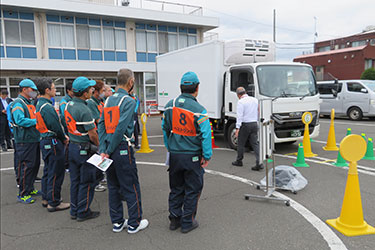
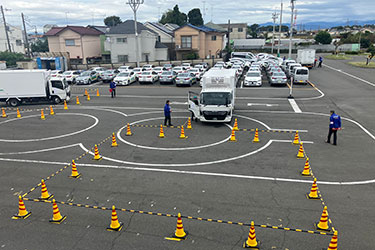
We use ICT to optimize delivery routes and improve load efficiency. We are also reviewing our production and delivery systems and working with our main business partners to make deliveries more efficient.
.svg)